What Is Ozone (O3)? Properties, Uses, and Safety
Ozone is a gas that most people have heard of — it's the "ozone layer" that protects us from harmful UV radiation, and it's also the sharp-smelling gas produced by some air purifiers and industrial equipment. But what exactly is ozone from a scientific and practical standpoint? In this comprehensive guide, we'll explore the chemical nature of ozone, its key properties, where it occurs in nature, how it is used across industries, and the critical safety considerations everyone should understand.
What Is Ozone? The Basics
Ozone (O3) is a molecule composed of three oxygen atoms. Unlike the oxygen we breathe — O2, which has two oxygen atoms — ozone is much less stable and far more reactive. Under normal atmospheric conditions, ozone appears as a pale blue gas with a distinctive sharp, pungent odor. In fact, the name "ozone" comes from the Greek word ozein, meaning "to smell."
Chemical Structure of Ozone
Ozone's molecular geometry is bent (V-shaped), with an O-O-O bond angle of approximately 116.8°. The molecule is a resonance hybrid, meaning its electrons are delocalized across all three oxygen atoms. This structure makes ozone thermodynamically unstable, which is precisely why it is such a powerful oxidizing agent. This instability also explains why ozone cannot be stored for long periods and must typically be generated on-site for industrial applications.
Key Properties of Ozone
Understanding the properties of ozone is essential for anyone working with or around this gas. Its unique characteristics define both its usefulness and its hazards.
Physical Properties
- Molecular formula: O3
- Molecular weight: 48.00 g/mol
- Appearance: Pale blue gas; dark blue liquid; violet-black solid
- Odor: Sharp, pungent; detectable by humans at concentrations as low as 0.01–0.04 ppm
- Boiling point: -111.9 °C (-169.4 °F)
- Melting point: -192.5 °C (-314.5 °F)
- Density: 2.144 g/L at 0 °C (heavier than air — about 1.6 times the density of O2)
- Solubility in water: 0.105 g/100 mL at 0 °C (approximately 13 times more soluble than oxygen)
Chemical Properties
Ozone is one of the most powerful oxidizing agents known, with an oxidation potential of 2.07 V — second only to fluorine and significantly stronger than chlorine (1.36 V), hydrogen peroxide (1.78 V), and oxygen (1.23 V). This exceptional oxidizing power is what makes ozone so valuable for disinfection and industrial processes. Key chemical properties include:
- Strong oxidizer: Ozone readily decomposes into O2 and a highly reactive singlet oxygen atom [O], which attacks and breaks down organic molecules, bacteria, viruses, and other contaminants.
- Thermal instability: Ozone decomposes rapidly at temperatures above 30 °C (86 °F). Its half-life in clean air at 20 °C is approximately 20–30 minutes, and even shorter in water depending on pH and temperature.
- Selective reactivity: Despite its broad reactivity, ozone preferentially attacks unsaturated carbon-carbon double bonds, aromatic rings, and sulfur-containing compounds.
- pH sensitivity: In aqueous solutions, ozone decomposition accelerates at higher pH levels, producing hydroxyl radicals (•OH) that are even more reactive than ozone itself.
Where Is Ozone Found?
Ozone exists naturally in two distinct regions of Earth's atmosphere, and its role in each is dramatically different.
Stratospheric Ozone (The "Good" Ozone)
Located approximately 15–35 km above Earth's surface in the stratosphere, this ozone layer absorbs 97–99% of the sun's harmful ultraviolet (UV-B) radiation. Without this protective shield, life on Earth as we know it would be impossible. The ozone layer is continuously formed and destroyed through a natural photochemical cycle known as the Chapman cycle.
Ground-Level Ozone (The "Bad" Ozone)
At ground level, ozone is a secondary air pollutant formed when nitrogen oxides (NOx) and volatile organic compounds (VOCs) react in the presence of sunlight. This is the main component of photochemical smog in urban areas. Ground-level ozone is a respiratory irritant and a regulated air pollutant. According to the U.S. Environmental Protection Agency (EPA), the current National Ambient Air Quality Standard for ozone is 0.070 ppm averaged over 8 hours.
Industrial and Commercial Uses of Ozone
Ozone's powerful oxidizing capability has led to its widespread use across numerous industries. Here are the most significant applications:
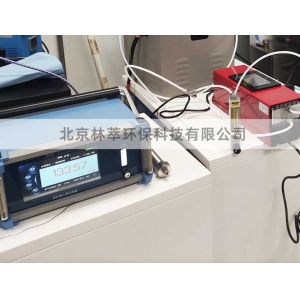
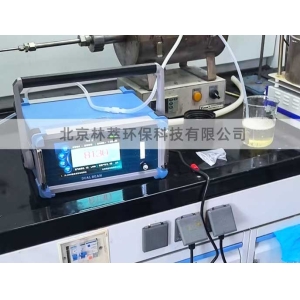
- Water treatment: Ozone is extensively used for drinking water disinfection, wastewater treatment, and swimming pool sanitation. It destroys bacteria, viruses, and protozoa more effectively than chlorine without leaving harmful disinfection byproducts. For monitoring dissolved ozone levels in water systems, specialized dissolved ozone monitors are essential.
- Food and beverage processing: Ozone is FDA-approved as an antimicrobial agent for food processing. It is used for surface sanitation, equipment sterilization, and extending the shelf life of fresh produce. Ozone decomposes into harmless oxygen, leaving no chemical residues on food products.
- Pharmaceutical manufacturing: High-purity water systems in pharmaceutical facilities use ozone for sanitization and microbial control. The pharmaceutical industry relies on precise ozone measurement to ensure compliance with regulatory standards.
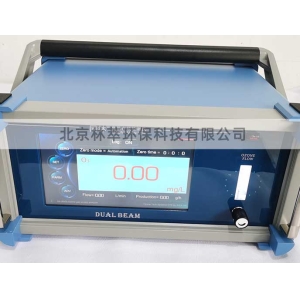
- Semiconductor fabrication: In cleanroom environments, ozonated water and ozone gas are used for wafer cleaning, photoresist removal, and surface oxidation. The semiconductor industry demands ultra-precise ozone concentration control and monitoring — an area where high-precision gas ozone analyzers play a critical role.
- Odor control: Ozone is effective at neutralizing odors from smoke, mold, pets, and industrial processes by chemically oxidizing odor-causing molecules.
- Pulp and paper bleaching: Ozone is increasingly used as an environmentally friendly alternative to chlorine-based bleaching agents in the pulp and paper industry.
- Medical therapy: Although controversial and regulated differently by country, ozonated water and ozone gas are used in certain dental and medical disinfection applications.
Ozone Safety and Health Risks
Despite its many beneficial uses, ozone is a toxic gas that must be handled with appropriate caution. Understanding the risks and implementing proper safety protocols is critical for any facility that uses or generates ozone.
Health Effects of Ozone Exposure
Exposure to elevated ozone concentrations can cause a range of adverse health effects, primarily affecting the respiratory system:
- At 0.1–0.2 ppm: Eye, nose, and throat irritation; coughing; chest discomfort
- At 0.3–0.5 ppm: Reduced lung function; increased asthma attacks; shortness of breath during physical activity
- At 1–2 ppm: Severe respiratory distress; pulmonary edema; headache; fatigue
- At 5+ ppm: Life-threatening pulmonary edema; hemorrhage; potential fatality with prolonged exposure
Regulatory Exposure Limits
Multiple regulatory agencies have established workplace exposure limits for ozone. The Occupational Safety and Health Administration (OSHA) sets the Permissible Exposure Limit (PEL) at 0.1 ppm as an 8-hour time-weighted average. The National Institute for Occupational Safety and Health (NIOSH) recommends a more conservative ceiling limit of 0.1 ppm, and designates 5 ppm as Immediately Dangerous to Life and Health (IDLH).
For any facility working with or generating ozone, continuous monitoring is not just best practice — it's an essential safety requirement. Installing an industrial ozone detector with appropriate alarm thresholds is the primary defense against accidental overexposure. Regular calibration and maintenance of monitoring equipment further ensures reliable protection.
Safety Best Practices
- Continuous monitoring: Install fixed ozone detectors in all areas where ozone is generated, stored, or used. Set alarms at actionable levels (typically 0.05–0.1 ppm).
- Ventilation: Ensure adequate ventilation with air exchange rates appropriate for the ozone generation capacity of the facility.
- Personal protective equipment (PPE): Use appropriate respirators with ozone-rated cartridges when working in areas where concentrations may exceed safe levels.
- Leak detection: Regularly inspect all ozone delivery lines, fittings, and connections for leaks.
- Emergency protocols: Establish and train all personnel on emergency shutdown procedures and evacuation protocols.
- Detector maintenance: Follow manufacturer guidelines for regular calibration and sensor replacement to maintain monitoring accuracy.
How Is Ozone Measured?
Accurate ozone measurement is critical for both process control and safety assurance. Several technologies exist for detecting and quantifying ozone concentrations:
- UV absorption photometry: The gold standard for ozone measurement. Ozone strongly absorbs UV light at 254 nm, and the degree of absorption is proportional to concentration. This method is used in most high-precision ozone analyzers and is the basis for the U.S. EPA's reference method for ambient ozone monitoring.
- Electrochemical sensors: Compact and cost-effective, these sensors measure the electrical current produced when ozone reacts at an electrode. They are common in portable detectors but require more frequent calibration.
- Gas detection tubes (colorimetric): Simple, disposable tubes that change color upon exposure to ozone. Useful for spot measurements but less precise than instrumental methods.
- Dissolved ozone sensors: For water applications, specialized dissolved ozone sensors use membrane-covered amperometric electrodes or UV absorption methods adapted for aqueous measurement.
Understanding which measurement technology is right for your application depends on factors such as required accuracy, measurement range, response time, and budget. For comprehensive guidance on selecting the right ozone monitoring solution, visit the ozone monitor quotation page or explore our gas phase ozone monitors and dissolved ozone monitors.
Conclusion
Ozone is a fascinating and powerful molecule — essential for life in the stratosphere, yet potentially hazardous at ground level. Its extraordinary oxidizing power makes it invaluable for water treatment, food safety, pharmaceutical manufacturing, semiconductor fabrication, and many other industrial applications. However, the very property that makes ozone so useful — its high reactivity — also demands respect and rigorous safety protocols.
Whether you are evaluating ozone monitoring equipment for your facility, designing an ozone-based treatment system, or simply seeking to understand this important molecule, the key takeaways are clear: know the properties, understand the risks, measure continuously, and always prioritize safety.
For more information about ozone monitoring solutions, explore our complete range of ozone gas detectors and analyzers or request a quotation tailored to your specific needs.