
Comparing Ozone Measurement Technologies for High-Purity Applications
Comparing Ozone Measurement Technologies for High-Purity Applications
In high-purity environments such as semiconductor fabs, pharmaceutical water systems, and advanced research labs, ozone measurement must deliver both precision and reliability. Choosing the wrong technology can lead to contaminated processes, failed compliance audits, or unsafe working conditions. This guide compares the three most common ozone measurement technologies—UV absorption, electrochemical, and chemiluminescence—so you can select the best fit for your application.
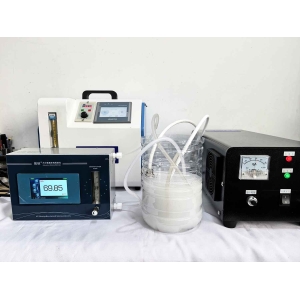
Figure 1: A compact UV absorption ozone analyzer suitable for cleanroom and high-purity water monitoring.
Why High-Purity Applications Demand Accurate Ozone Measurement
High-purity ozone is used in semiconductor cleaning, wafer processing, and ultrapure water disinfection. In these settings, even trace deviations in ozone concentration can cause:
- Wafer defects or reduced device yield in fabs
- Incomplete sterilization in pharmaceutical water loops
- Worker exposure risks in confined cleanroom spaces
Accurate gas ozone monitors and dissolved ozone analyzers are therefore critical process tools, not optional sensors. They help engineers maintain target ozone levels, detect excursions, and prove compliance to auditors.
UV Absorption Ozone Analyzers
How UV Absorption Works
UV absorption is the most widely accepted reference method for ozone measurement. It exploits the strong absorption of ozone at 253.7 nm. A UV lamp passes light through a sample cell, and the detector measures how much light ozone absorbs. Beer-Lambert law converts this absorbance into concentration.
Advantages
- High accuracy — typical span within ±1% to ±2%
- Excellent stability — minimal drift over long operating periods
- No consumable reagents — reducing running costs
- Real-time response — ideal for process control
Limitations
- Higher initial cost than electrochemical sensors
- Requires clean, dry sample gas to avoid window fouling
- UV lamp aging must be tracked and replaced periodically
For semiconductor fabs and high-purity water loops, UV ozone analyzers are usually the first choice because accuracy and repeatability matter more than upfront cost.
Electrochemical Ozone Sensors
How Electrochemical Sensors Work
Electrochemical sensors generate a small current when ozone diffuses across a membrane and reacts with an electrolyte. The current is proportional to ozone concentration. These sensors are common in portable detectors and workplace safety monitors.
Advantages
- Compact and low cost — easy to integrate into handheld devices
- Fast enough for leak detection — alerts within seconds
- Good selectivity at low ppm levels
Limitations
- Limited lifespan — electrolyte and electrodes degrade over time
- Cross-sensitivity — chlorine, nitrogen dioxide, and other oxidizers can interfere
- Lower precision — not ideal for process control below 1 ppm
Electrochemical sensors are excellent for ozone leak detection and personal safety, but they are rarely the primary measurement method in high-purity process control.
Chemiluminescence Ozone Analyzers
How Chemiluminescence Works
Chemiluminescence analyzers measure the light emitted when ozone reacts with a reagent such as ethylene or nitric oxide. The intensity of emitted light correlates with ozone concentration. This method is sometimes used in ambient air monitoring networks.
Advantages
- Very low detection limits — suitable for ppb-level ambient monitoring
- High sensitivity — can detect background ozone variations
Limitations
- Requires consumable reagents and more maintenance
- Complex sample conditioning in high-purity gas streams
- Less common for inline industrial ozone monitoring
While chemiluminescence is valuable in atmospheric research, UV absorption remains the standard for most industrial and high-purity ozone measurement tasks.
Technology Comparison Summary
| Technology | Best For | Accuracy | Maintenance | Cost |
|---|---|---|---|---|
| UV Absorption | Process control, high-purity gas/water | Very High | Low | Medium-High |
| Electrochemical | Portable leak detection, safety alarms | Moderate | Moderate-High | Low |
| Chemiluminescence | Ambient ppb monitoring, research | High | High | High |
Selecting the Right Technology for Your Application
When choosing an ozone measurement technology for high-purity use, ask the following questions:
- What concentration range do you need? UV analyzers handle ppm to percent levels; electrochemical sensors fit low ppm; chemiluminescence excels at ppb.
- Is this for process control or safety? Process control favors UV; personal safety favors electrochemical.
- How clean is your sample? Dirty or wet samples can foul UV windows and electrochemical membranes.
- What is your calibration schedule? UV systems need less frequent calibration, saving labor.
If you are unsure which technology fits your project, request a quotation or technical consultation from our team. We can match the right analyzer to your gas or water monitoring requirements.
Regulatory and Safety Considerations
Ozone is a powerful oxidizer and a workplace respiratory hazard. The U.S. Occupational Safety and Health Administration (OSHA) sets a permissible exposure limit of 0.1 ppm over an 8-hour time-weighted average. You can review ozone safety guidance on the OSHA website. Keeping a calibrated ozone monitor online protects both personnel and processes.
Conclusion
For high-purity ozone measurement, UV absorption analyzers offer the best balance of accuracy, stability, and low maintenance. Electrochemical sensors serve well in portable safety and leak-detection roles, while chemiluminescence is reserved for specialized low-level ambient research. Match the technology to your concentration range, process demands, and maintenance capacity to ensure reliable results.
If you need help selecting a gas ozone monitor or dissolved ozone analyzer, contact our engineers for application-specific advice.
 Ozone and Indoor Air Quality:
Comparing Ozone Measurement Te
How to Install a Dissolved Ozo
Ozone and Indoor Air Quality:
Comparing Ozone Measurement Te
How to Install a Dissolved Ozo
 Common Myths About Ozone Detec