
Why does the ozone detector need to turn on the pressure compensation function
Why does the ozone detector need to turn on the pressure compensation function
The pressure entering the ozone detector varies in different applications. Especially if there is a pressure build-up behind the ozone detector, the ozone concentration will be very high. At this time, pressure compensation can be turned on to make the ozone concentration more accurate.
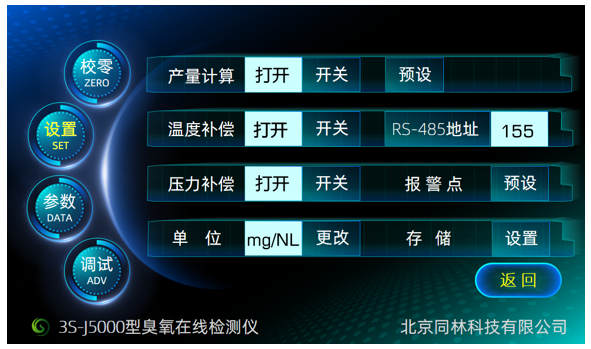
Operation steps: Enter the Settings menu to make the Settings
Users can set the "Temperature Compensation" function to turn on and off several functions for calculating the ozone concentration. The standard temperature value implemented in China is 20℃. The significance of temperature compensation is to convert the ozone gas concentration detected by the ozone analyzer at different indoor temperatures into the ozone concentration value at the standard temperature (20℃).
② Users can set the "pressure compensation" value to turn on and off the ozone concentration calculation function. The pressure transmitter equipped with this instrument supports both negative pressure and positive pressure compensation. The significance of pressure compensation is to convert the ozone gas concentration detected by the ozone analyzer at different pressures in the room into the ozone concentration value at the standard pressure (101.325KPa).
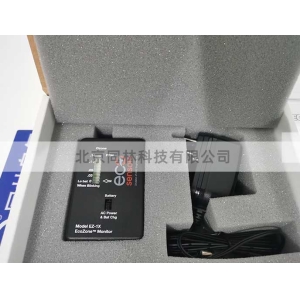 Ozone and Indoor Air Quality:
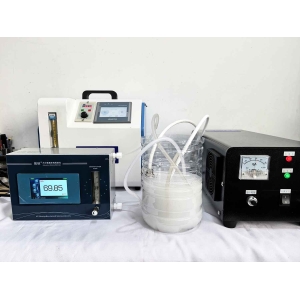 Comparing Ozone Measurement Te
How to Install a Dissolved Ozo
Comparing Ozone Measurement Te
How to Install a Dissolved Ozo
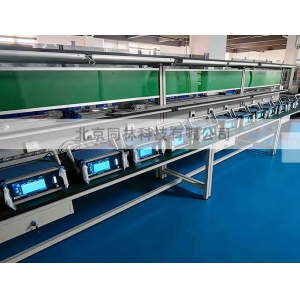 Common Myths About Ozone Detec