
Call on order
010-82912186
Causes of Inaccurate Ozone Detector Readings: Light Cell and Contaminants
Views :
Update time : 2025-09-26
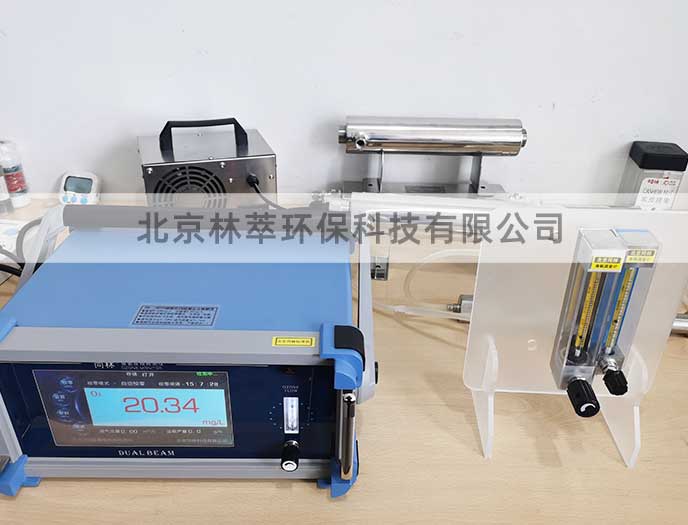
The ozone light cell uses 254 nm ultraviolet (UV) radiation to "detect" gases or liquids containing ozone.
Related News
Read More >>
 Ozone and Indoor Air Quality:
10 .16.2026
Ozone and Indoor Air Quality: What Building Managers Need to KnowIndoor air qual
 Comparing Ozone Measurement Te
10 .16.2026
Comparing Ozone Measurement Technologies for High-Purity ApplicationsIn high-pur
How to Install a Dissolved Ozo
10 .10.2026
How to Install a Dissolved Ozone Monitor in Your Water LineA dissolved ozone mon
 Common Myths About Ozone Detec
10 .10.2026
Common Myths About Ozone Detection DebunkedOzone detection technology has mature